
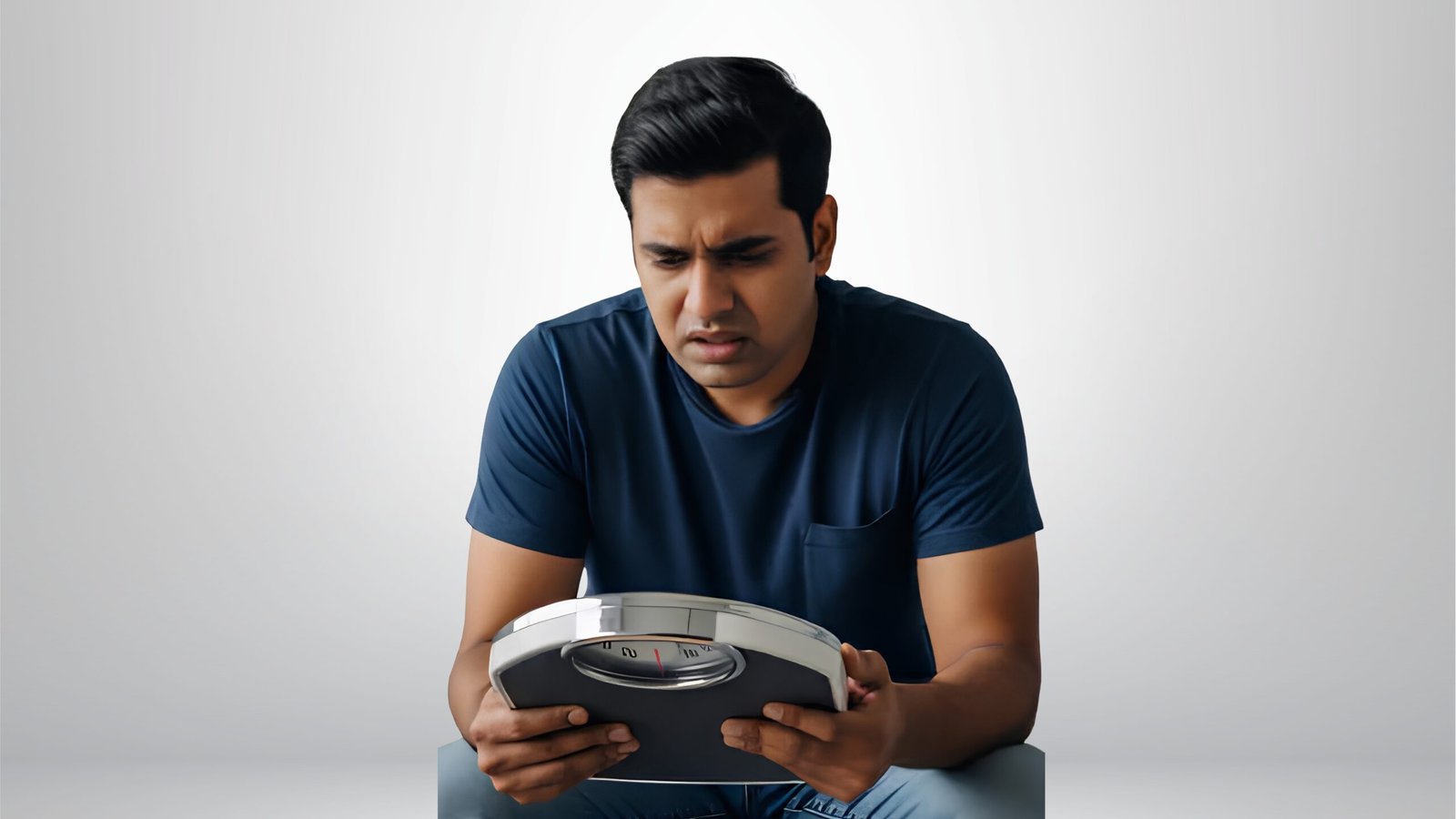

The causes of unexplained weight gain are rarely about willpower, even though that’s what most people are told. You skip the second helping. You walk every morning, maybe even hit the gym. And the scale still creeps up.
If this sounds like you, you’ve probably already heard the usual advice: “just eat less, move more.” It’s frustrating, and it can make you feel like the problem is you. Often, it isn’t. Sometimes the body is working against you for reasons that have nothing to do with discipline.
At MCAO Clinics (Maple Clinical Aesthetics & Obesity Clinic), we meet many people in exactly this situation. They’re doing most things right, and their weight still won’t cooperate. Here’s what could be going on, and when it’s worth getting checked.
First, an honest look at the basics
Before we go to medical causes, a few ordinary factors are worth ruling out. None of this is about blame. They’re simply common.
- Hidden calories. Cooking oil, chai with sugar, fruit juices, evening snacks, and “healthy” foods like granola or dry fruits add up faster than most people expect. Studies consistently show that people underestimate their intake, and it’s rarely deliberate.
- Muscle loss. If you’ve been dieting hard with little strength training, you may lose muscle along with fat. Less muscle means a slower metabolism, so the same food leads to slower progress.
- Water retention. A salty meal, a stressful week, or hormonal shifts can add a kilo or two overnight. That’s fluid, not fat.
- Exercise that’s more tiring than it is effective. Long cardio sessions can leave you hungrier and less active for the rest of the day.
If you’ve honestly checked these and nothing explains it, it’s time to look deeper.
Medical causes of unexplained weight gain
Thyroid problems
The thyroid sets the pace for your metabolism. When it’s underactive (hypothyroidism), everything slows down. Along with weight gain, people often notice tiredness, feeling cold, dry skin, hair thinning, constipation, low mood, and puffiness in the face.
An underactive thyroid doesn’t usually cause dramatic weight gain, often a few kilos rather than twenty. But it makes losing weight noticeably harder, and it’s very common, especially in women. If you suspect it, our Thyroid Consultation is a good place to start.
Insulin resistance
This is one of the most overlooked causes. Insulin is the hormone that helps your cells use sugar for energy. When cells stop responding well, the body produces more insulin to compensate. High insulin levels encourage fat storage, particularly around the belly, and make fat loss harder. They can also increase hunger and cravings, especially for carbohydrates.
Signs include a growing waistline, dark velvety patches on the neck or underarms (acanthosis nigricans), skin tags, constant tiredness after meals, and a family history of diabetes. Insulin resistance often exists for years before blood sugar rises enough to be called diabetes, which is why catching it early matters.
PCOS and hormonal weight gain
Polycystic ovary syndrome is closely linked with insulin resistance, and many women with PCOS find weight management far harder than it is for others. Irregular periods, acne, excess facial or body hair, and scalp hair thinning are the common companions. Weight tends to settle around the abdomen.
The important thing to know is that PCOS is a medical condition, not a lifestyle failure, and it responds well to proper management. Our PCOS Management program looks at the whole picture rather than just the weight.
Menopause and other hormonal shifts
Declining oestrogen around perimenopause and menopause shifts where the body stores fat, usually toward the midsection, and muscle mass drops more quickly. Many women feel they’ve changed nothing, yet their body composition has. Stress hormones matter too. Rarely, an excess of cortisol (Cushing’s syndrome) is the cause, usually with other signs like easy bruising, purple stretch marks, and a rounded face.
Medications
Several common medicines can cause weight gain as a side effect, including some antidepressants, antipsychotics, steroids, certain diabetes medicines, some blood pressure drugs (beta-blockers), anti-epileptics, and some antihistamines. Please don’t stop any medicine on your own. Speak with your doctor, because there are often alternatives or ways to manage the effect.
Poor sleep and chronic stress
Sleep is not a luxury when it comes to weight. Regularly sleeping under six hours disrupts the hormones that control hunger and fullness, raises cravings for high-calorie food, and worsens insulin sensitivity. Add ongoing stress and high cortisol, and your body becomes more inclined to hold on to fat, particularly around the abdomen.
Fluid retention from other conditions
If weight goes up quickly over days to weeks, especially with swollen feet or ankles, puffiness, or breathlessness, this may be fluid rather than fat. Heart, kidney, or liver conditions can cause it, and it needs prompt medical attention.
“But I’m eating less. Shouldn’t that work?”
Not always, and here’s why. When you cut calories sharply for a long time, the body adapts. Metabolism slows slightly, hunger hormones increase, and you may unconsciously move less through the day. Add a hormonal issue like thyroid disease or insulin resistance, and the usual “calories in, calories out” maths stops working the way you’d expect.
This doesn’t mean calories don’t matter. It means that for some people, the hormonal environment decides how easily the body responds to eating less. Fixing that environment is often what finally makes diet and exercise work.
When should you get checked?
Consider a medical evaluation if:
- You’ve gained weight steadily over several months without any change in diet or activity
- You’ve been dieting and exercising consistently for 2 to 3 months with no progress
- Weight gain comes with fatigue, hair fall, irregular periods, feeling cold, or mood changes
- You have a family history of diabetes or thyroid disease
- Weight is increasing quickly, or you notice swelling in your legs or face
Seek help promptly if weight gain is rapid and comes with breathlessness, significant swelling, or chest discomfort.
What a doctor may look at
A good evaluation begins with listening. Your doctor will ask about your eating patterns, sleep, stress, periods, medications, and family history, then examine you. Depending on your story, tests may include:
- Thyroid function (TSH, and sometimes free T4)
- Fasting blood sugar and HbA1c
- Fasting insulin
- Lipid profile and liver function tests
- Hormone tests for PCOS or other concerns, such as testosterone, LH, FSH, and prolactin
- Vitamin D and B12 levels
- Pelvic ultrasound, when appropriate
- Cortisol testing, only if there are clinical reasons to suspect it
Not everyone needs every test. The point is to look for causes based on your symptoms instead of ordering a blanket panel.
If you’d like a clear picture of what’s going on, you can book an Endocrinology Consultation with Dr. Shehzad Ruman. If a medical cause is found or ruled out, our Medical Weight Management program builds a plan around your biology, not a generic diet chart.
Is it always hormonal?
No, and it’s worth saying plainly. Many cases of weight gain come down to a mix of lifestyle, sleep, stress, age, and genetics, with no single disease behind them. Hormonal causes are common enough to be worth checking, but they aren’t the explanation every time. A proper evaluation tells you which situation you’re in, and either answer is useful.
Frequently Asked Questions
1. Why am I gaining weight despite eating less?
Several things can be behind it: hidden calories you’re not tracking, muscle loss from crash dieting, hormonal conditions such as hypothyroidism, PCOS, or insulin resistance, medications, poor sleep, and chronic stress. When weight rises despite real effort, a medical check is reasonable.
2. Can hypothyroidism cause weight gain?
Yes. An underactive thyroid slows metabolism, which can lead to modest weight gain and makes weight loss harder. It usually comes with other symptoms like fatigue, dry skin, hair thinning, and feeling cold. A simple blood test can check it, and treatment is effective.
3. Can PCOS make weight management more difficult?
Yes. PCOS is often associated with insulin resistance and hormonal imbalance, which promote fat storage, especially around the abdomen, and increase cravings. With the right medical and lifestyle support, weight can be managed well.
4. What is the connection between insulin resistance and weight?
When cells respond poorly to insulin, the body produces more of it. High insulin levels encourage fat storage and can raise hunger, which makes weight gain easier and weight loss harder. Weight gain can in turn worsen insulin resistance, creating a cycle that is best addressed early.
5. Can poor sleep affect body weight?
Yes. Short or disrupted sleep alters hunger and fullness hormones, increases cravings, and worsens insulin sensitivity. Over time, this can contribute to weight gain even if your diet hasn’t changed much.
6. Can certain medications contribute to weight gain?
Yes. Some antidepressants, antipsychotics, steroids, diabetes medicines, beta-blockers, and anti-epileptics can do this. Don’t stop a prescribed medicine on your own. Talk to your doctor about alternatives or ways to manage the side effect.
7. When should unexplained weight gain be investigated?
If you’ve gained weight without clear lifestyle changes, if effort isn’t producing results after a few months, or if weight gain comes with symptoms such as fatigue, hair fall, irregular periods, or swelling, it’s worth getting evaluated.
8. Which tests might a doctor recommend?
Commonly, thyroid tests, fasting glucose and HbA1c, fasting insulin, lipid and liver profiles, vitamin D and B12, and, where relevant, hormone tests for PCOS and a pelvic ultrasound. The choice depends on your symptoms and history.
9. Is all weight gain caused by hormonal problems?
No. Diet, activity, sleep, stress, genetics, age, and medications all play a part. Hormonal conditions are one important possibility, but they aren’t behind every case.
10. When should I seek medical help for persistent weight gain?
See a doctor if it continues for months despite genuine effort, comes with other symptoms, or runs in a family with diabetes or thyroid disease. Seek urgent care if weight rises quickly alongside swelling, breathlessness, or chest discomfort.
If the scale won’t move despite your effort, it doesn’t mean you’re doing something wrong. Sometimes the body needs a closer look, not more restriction. Dr. Shehzad Ruman sees patients at MCAO Clinics (Maple Clinical Aesthetics & Obesity Clinic), serving Hyderabad since 2019. Patients from Attapur, Tolichowki, Rajendranagar and Upperpally visit us for thyroid, PCOS, diabetes and weight concerns.
Attapur branch: Pillar No. 180, 1st Floor, Rahmat’s Iconiq Square, 2-4-79/1, Attapur, Rajendranagar, Upperpally, Hyderabad, Telangana 500048
Tolichowki branch: 8-1-400/48, Deluxe Colony, Tolichowki, Hyderabad
Timings (both branches): 12:00 PM to 8:00 PM
Call: +91 83411 92717
WhatsApp: +91 81433 25183
