
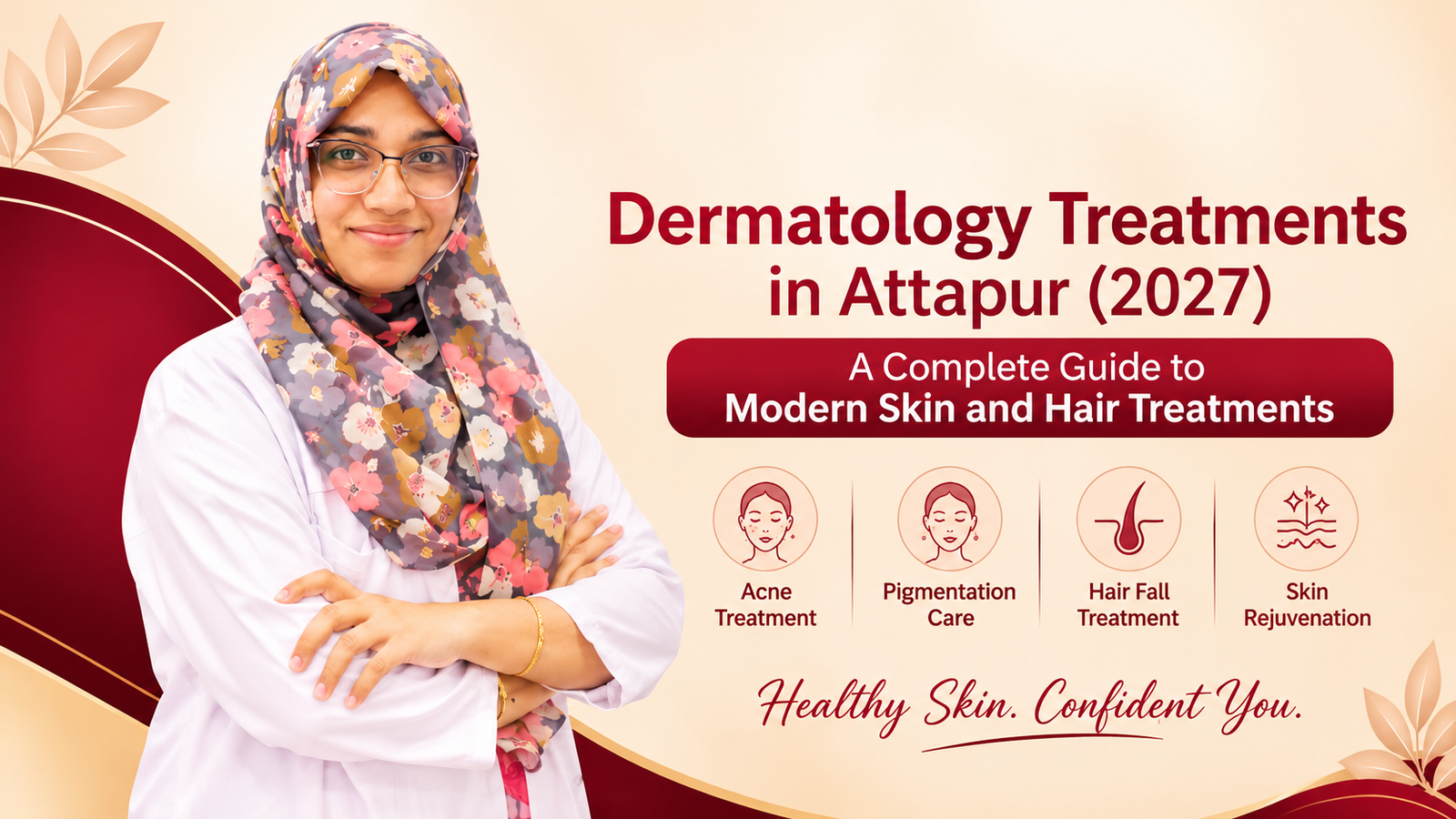

Dermatology treatments in Attapur include medical and aesthetic approaches to managing acne, pigmentation, hair fall, skin ageing and other skin concerns. The right treatment depends on the underlying condition, its severity, your skin or scalp health and your medical history.
Not every skin concern needs a cosmetic procedure. Recurring acne, persistent pigmentation, unexplained hair thinning and changes in skin texture can have different causes. Choosing a treatment without understanding the cause may lead to unnecessary procedures, irritation or disappointing results.
If you are looking for a dermatologist in Attapur, understanding the available treatment options can help you make a more informed decision.
This 2027 guide explains common skin and hair concerns, the dermatological treatments that may be considered, factors that influence treatment selection and what to expect during a consultation at MCAO Clinics, Attapur.
1. Acne Treatment in Attapur: Managing Pimples, Breakouts and Acne Marks
Acne develops when hair follicles become clogged with oil and dead skin cells. It can appear as blackheads, whiteheads, inflamed pimples or deeper, painful lesions.
Some people experience occasional breakouts, while others struggle with recurring acne despite trying different skincare products.
Acne is not one single condition with one universal treatment. The type of acne, severity, duration and possibility of scarring all influence the treatment approach.
What can cause recurring acne?
Acne may be influenced by several factors, including:
Excess oil production and clogged pores
Hormonal changes
Inflammation
Certain medications
Products that are unsuitable for an individual’s skin
Genetic susceptibility
In some patients, acne may have more than one contributing factor.
What acne treatments may a dermatologist recommend?
Depending on the diagnosis and severity, treatment may include:
Topical medication to manage clogged pores and inflammation
Oral medication when clinically appropriate
Changes to skincare habits and product selection
Selected dermatological procedures for specific concerns
Follow-up to monitor improvement and prevent recurrence
Chemical peels may be considered for selected patients, depending on their skin condition. However, procedures do not replace appropriate medical management of active acne.
Can acne marks and active acne be treated in the same way?
Not necessarily. Active acne and the dark marks left behind after breakouts are different concerns.
A treatment that helps control active breakouts may not be sufficient for post-acne pigmentation. The dermatologist should assess both before recommending a treatment plan.
The aim of acne management is to control breakouts, reduce the risk of scarring and help prevent new lesions from developing.
Explore more: Acne treatment and dermatology information at MCAO Clinics
Related reading: Why Does Acne Keep Coming Back? Causes and Treatment
2. Pigmentation Treatment in Attapur: Understanding Dark Spots and Uneven Skin Tone
Pigmentation refers to areas of skin that appear darker than the surrounding skin. It can develop due to sun exposure, inflammation, hormonal influences and certain skin conditions.
Common pigmentation concerns include:
Melasma
Post-acne dark marks
Sun spots
Uneven skin tone
Dark patches on the face
Although these concerns may look similar, they do not always have the same cause.
Why is identifying the type of pigmentation important?
Melasma, for example, may be influenced by hormonal factors and sun exposure. Dark marks after acne are usually related to inflammation. Other pigmentation concerns may have different causes.
This distinction matters because treatments suitable for one type of pigmentation may not be appropriate for another.
What pigmentation treatments may be considered?
Depending on the diagnosis, a dermatologist may recommend:
Sun protection and appropriate skincare
Prescription topical medication
Changes to products that may be irritating the skin
Selected chemical peels
Other procedures when clinically suitable
The dermatologist should consider the patient’s skin type, depth and cause of pigmentation, and the risk of post-inflammatory darkening before recommending a procedure.
Using strong creams or unregulated skin-lightening products without medical guidance can irritate the skin and sometimes worsen pigmentation.
The objective is to address the underlying cause where possible and select an approach that is appropriate for the patient’s skin.
3. Chemical Peels in Attapur: Improving Selected Skin Concerns
A chemical peel is a dermatological procedure in which a chemical solution is applied to the skin to encourage controlled exfoliation.
Depending on the formulation, strength and patient’s condition, chemical peels may be considered for:
Certain types of acne
Selected pigmentation concerns
Uneven skin tone
Dull or rough skin texture
Some signs of sun damage
How is the right chemical peel selected?
Chemical peels are available in different formulations and strengths. The appropriate option depends on the patient’s skin condition, sensitivity, medical history and treatment goals.
For example, a patient with post-acne pigmentation may need a different approach from someone seeking improvement in rough skin texture.
A dermatologist should assess the skin before selecting a peel rather than choosing one simply because it is popular.
What should you expect after a chemical peel?
Depending on the type and strength of the peel, temporary effects may include:
Redness
Peeling or flaking
Dryness
Irritation
Increased sensitivity
Stronger peels may require additional recovery time and precautions.
Sun protection and the recommended aftercare are important following treatment. Patients should also follow the dermatologist’s instructions about skincare products and when to resume their usual routine.
A chemical peel is not a universal solution for every skin concern. Its suitability should be determined through a professional assessment.
Related reading: Chemical Peel Treatment in Attapur, Hyderabad.
4. Hydrafacial and Skin Rejuvenation Treatments in Attapur
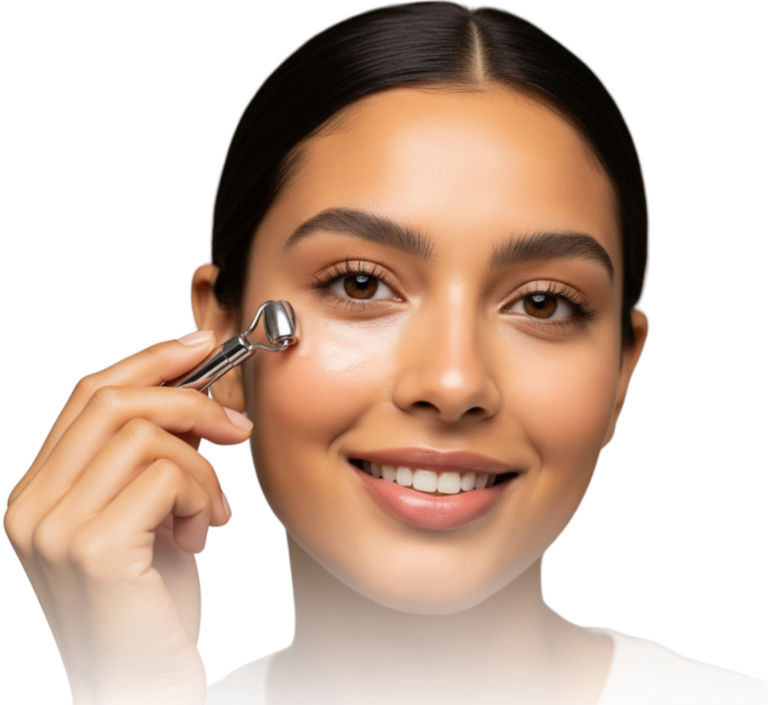
Hydrafacial is a non-invasive skin procedure involving cleansing, exfoliation, extraction and the application of selected skincare solutions.
People may consider it for concerns such as:
Dull-looking skin
Uneven surface texture
Congested pores
Temporary dryness
General skin maintenance
Is Hydrafacial suitable for everyone?
No single facial or skin rejuvenation procedure is suitable for every person.
The dermatologist or qualified treating professional should consider the patient’s skin sensitivity, current skin condition and expectations before recommending the procedure.
Hydrafacial should not be confused with medical treatment for conditions such as severe acne, persistent melasma or other skin diseases.
What should you ask before choosing a skin rejuvenation procedure?
Before proceeding, understand:
What concern is the procedure intended to address?
Is it suitable for your skin type and condition?
What results can reasonably be expected?
Are multiple sessions recommended?
What side effects or temporary reactions are possible?
What aftercare is required?
A proper assessment helps patients choose procedures based on their actual skin needs rather than trends.
Related reading: Hydrafacial in Attapur and Tolichowki.
5. Hair Fall Treatment in Attapur: Finding the Cause Before Choosing a Procedure
Hair fall can occur for several reasons, including hereditary hair loss, nutritional deficiencies, hormonal changes, illness, stress and certain scalp conditions.
Not every type of hair loss requires the same treatment. The first step is identifying the likely cause rather than immediately choosing a hair procedure.
What does a dermatologist assess during a hair fall consultation?
Depending on the patient’s symptoms, the dermatologist may ask about:
When the hair fall started
Whether thinning is gradual or sudden
Family history of hair loss
Recent illness or major stress
Medication changes
Scalp itching, scaling or inflammation
Previous treatments and investigations
The doctor may recommend further investigations if clinically necessary.
What hair fall treatments are available?
Treatment depends on the underlying cause and may involve:
Medication
Scalp care
Correction of identified nutritional deficiencies
Management of an underlying medical condition
Selected procedures for appropriate candidates
What is PRP hair treatment?
Platelet-rich plasma (PRP) is a procedure that uses a prepared portion of the patient’s own blood. The platelet-rich component is injected into selected areas of the scalp.
PRP may be considered for certain types of hair loss. However, it is not suitable for every cause of hair thinning, and results vary between individuals.
A proper assessment is important before deciding whether PRP or another treatment is appropriate.
Related reading: PRP Hair Treatment in Attapur: Cost, Sessions and Results.
6. Laser and Other Dermatological Procedures
Laser and light-based procedures may be considered for selected skin and hair concerns. However, different devices and procedures have different purposes.
Depending on the indication, dermatological procedures may be used for concerns involving:
Unwanted hair
Selected pigmentation concerns
Certain acne-related concerns
Skin rejuvenation
The suitability of a procedure depends on the condition being treated, the patient’s skin type, medical history and treatment goals.
Why is skin assessment important before laser treatment?
Skin type, pigmentation, sensitivity and the condition being treated can influence how the skin responds to a laser procedure.
For example, a procedure designed for unwanted hair is not the same as one used for selected pigmentation concerns.
Before proceeding, patients should understand:
What the procedure is intended to treat
Whether they are suitable candidates
Possible side effects and risks
How many sessions may be needed
Whether downtime is expected
What precautions are required before and after treatment
A consultation should come before selecting a laser or other aesthetic procedure.
7. How to Choose the Right Dermatologist and Skin Treatment in Attapur
The most expensive or popular treatment is not necessarily the right one for your skin or hair concern.
A dermatologist should consider the diagnosis and your individual circumstances before recommending a treatment plan.
Here are five things to consider when choosing a skin clinic in Attapur.
1. Check the doctor's qualifications
Look for relevant medical qualifications and dermatology training. Understand who will assess your concern and who will perform any recommended procedure.
2. Understand the diagnosis
Similar-looking skin problems can have different causes. Ask the doctor what condition may be responsible for your symptoms and whether further assessment is needed.
3. Understand why a treatment is recommended
Ask why a particular medication or procedure has been selected. You should understand its purpose and whether other options are available.
4. Discuss risks and limitations
Every medication and procedure has potential risks. Ask about side effects, recovery, precautions and realistic expectations.
5. Ask about follow-up care
Some conditions need ongoing treatment or maintenance. Understand when you should return for review and how your progress will be assessed.
A good treatment decision should be based on medical suitability, not simply on a procedure’s popularity or promotional claims.
8. What Happens During a Dermatologist Consultation?
A dermatology consultation generally begins with a discussion of your concerns, symptoms and medical history.
Depending on the problem, the dermatologist may:
Ask when the symptoms started.
Review previous treatments and skincare products.
Examine the affected skin, scalp or nails.
Identify possible contributing factors.
Recommend investigations if clinically necessary.
Explain suitable treatment options.
Discuss precautions, aftercare and follow-up
Do all skin concerns need a procedure?
No. Some concerns may be managed with appropriate medication and skincare guidance alone.
For example, a patient with active acne may need medical management before any procedure for acne marks is considered. Similarly, hair thinning may need investigation before a procedure such as PRP is discussed.
The purpose of a consultation is to understand the concern and identify an appropriate treatment approach.
9. Dermatology Consultation at MCAO Clinics, Attapur
MCAO Clinics provides dermatology consultations and skin-related treatment services at its Attapur branch in Hyderabad.
Dr. Huma Shaheen, Chief Dermatologist, holds MBBS and DDVL qualifications in Dermatology.
The clinic’s dermatology services address concerns such as acne, pigmentation, hair fall, skin ageing and selected aesthetic skin procedures. The recommended approach depends on the patient’s concern and clinical assessment.
What can patients discuss during a consultation?
Patients can discuss concerns such as:
Persistent or recurring acne
Acne marks and pigmentation
Uneven skin tone
Hair thinning and excessive hair fall
Skin texture and ageing concerns
Suitability for selected dermatological procedures
The consultation helps establish which treatment options may be appropriate. Not every patient needs a cosmetic procedure.
MCAO Clinics, Attapur – Location
Address:
2-4-79/1, Pillar No. 180, 1st Floor, Rahmat’s Iconiq Square, Attapur, Rajendranagar, Upperpally, Hyderabad – 500048
Clinic hours: Monday to Saturday, 12 PM to 8 PM.
Walk-ins are accepted.
If you are looking for a dermatologist in Attapur or a skin clinic near Upperpally and Rajendranagar, MCAO Clinics offers a location where you can discuss your skin and hair concerns with Dr. Huma Shaheen.
10. Frequently Asked Questions About Dermatology Treatments in Attapur
Which dermatology treatments are available in Attapur?
Dermatology treatment options may include medical acne management, pigmentation care, chemical peels, hair fall evaluation, PRP and selected skin rejuvenation procedures. Availability depends on the clinic’s services, while suitability depends on the patient’s condition.
When should I consult a dermatologist?
Consider consulting a dermatologist if you have persistent acne, painful breakouts, recurring rashes, unexplained hair thinning, changing pigmentation or a skin concern that does not improve with routine care.
Can acne marks and active acne be treated with the same procedure?
Not necessarily. Active acne and post-acne marks are different concerns. Treatment may need to address active breakouts first, followed by a separate approach for pigmentation or scarring if appropriate.
Can pigmentation and melasma be treated with chemical peels?
Certain chemical peels may be considered for selected pigmentation concerns. However, melasma and other forms of pigmentation need proper diagnosis, and a peel is not suitable for everyone.
Is Hydrafacial a treatment for acne?
Hydrafacial may be considered for selected concerns involving skin cleansing and surface texture. It should not be treated as a replacement for medical acne management, particularly in cases of persistent or inflammatory acne.
Is PRP effective for every type of hair loss?
No. PRP may be considered for selected types of hair loss, but it is not appropriate for every cause. Identifying the reason for hair loss is important before starting treatment.
How do I choose a skin clinic in Attapur?
Check the doctor’s medical qualifications, consultation process, available services and approach to diagnosis. Ask about treatment risks, expected outcomes and follow-up care before proceeding.
Where can I consult a dermatologist in Attapur?
MCAO Clinics has a dermatology consultation facility at Pillar No. 180, Rahmat’s Iconiq Square, Attapur, Hyderabad. Dr. Huma Shaheen is the clinic’s Chief Dermatologist.
Final Thoughts
Dermatology treatments in 2027 should be selected according to the patient’s actual skin or hair concern, not simply because a procedure is popular.
Acne, pigmentation, hair fall and changes in skin texture can have different underlying causes. Understanding those causes is an important step towards choosing an appropriate treatment.
Whether you are considering medical acne management, pigmentation treatment, a chemical peel, Hydrafacial or PRP, a professional assessment can help determine what may be suitable and what limitations to expect.
At MCAO Clinics, Attapur, patients can consult Dr. Huma Shaheen to discuss their dermatological concerns and understand the available treatment options.
Medical Reviewer: Dr. Huma Shaheen, MBBS, DDVL, Chief Dermatologist.
Last medically reviewed: Add the actual date after review and approval.
