
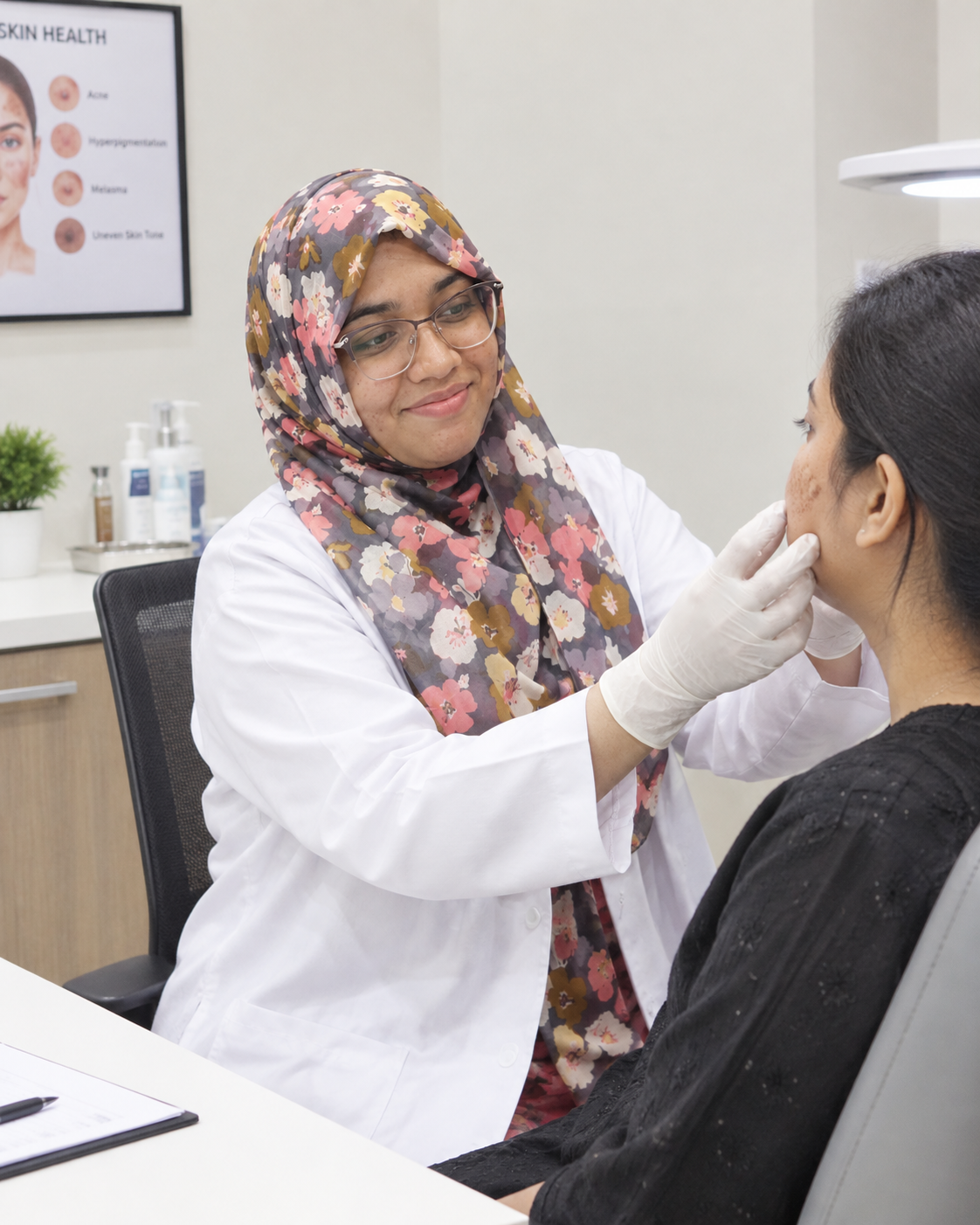

Facial pigmentation often starts quietly. A dark patch on the cheeks, a shadow above the lip, or marks that stay long after a pimple has healed. Soon your skin looks uneven, no matter how much concealer you use.
At MCAO Clinics, patients visiting from Attapur, Tolichowki, Mehdipatnam, Rajendranagar and other parts of Hyderabad often ask the same questions:
Why is facial pigmentation appearing on my face? Will it go away on its own? Which cream should I use? And when should I actually see a doctor?
Here is what you should know before you try another product.
What Is Facial Pigmentation?
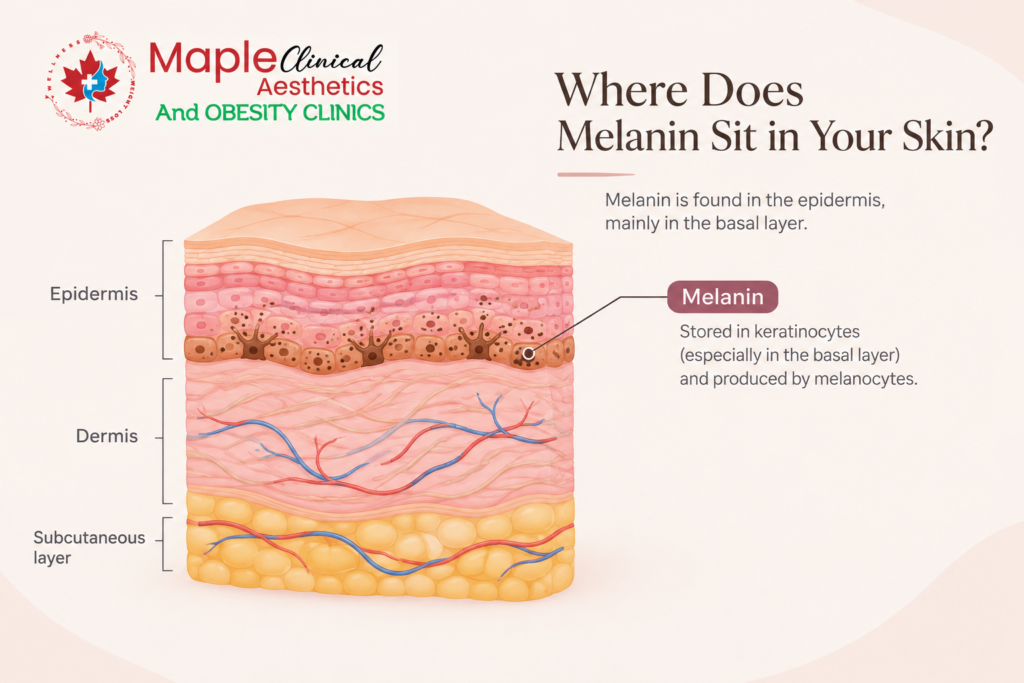
Your skin gets its colour from melanin, a pigment made by cells called melanocytes. When these cells make too much melanin, or deposit it unevenly, darker patches or spots appear. Doctors call this hyperpigmentation.
It can look like small freckle-like spots, larger flat patches, or a general dullness and uneven tone. Depth matters too. Pigment in the upper layer of skin usually responds faster to treatment, while pigment sitting deeper tends to be more stubborn.
Facial pigmentation is common in Indian skin, where pigment-producing cells are naturally more active. But that does not mean every dark patch is the same, or that every patch needs the same treatment.
7 Common Causes of Facial Pigmentation
1. Sun exposure
This is the biggest and most avoidable cause. UV rays push melanocytes to make more melanin as a form of protection. Over the years, this shows up as sunspots, uneven tone and a tan that does not fade.
In a sunny city like Hyderabad, UV levels stay high for much of the year. Even short commutes add up when you skip sunscreen.
2. Melasma
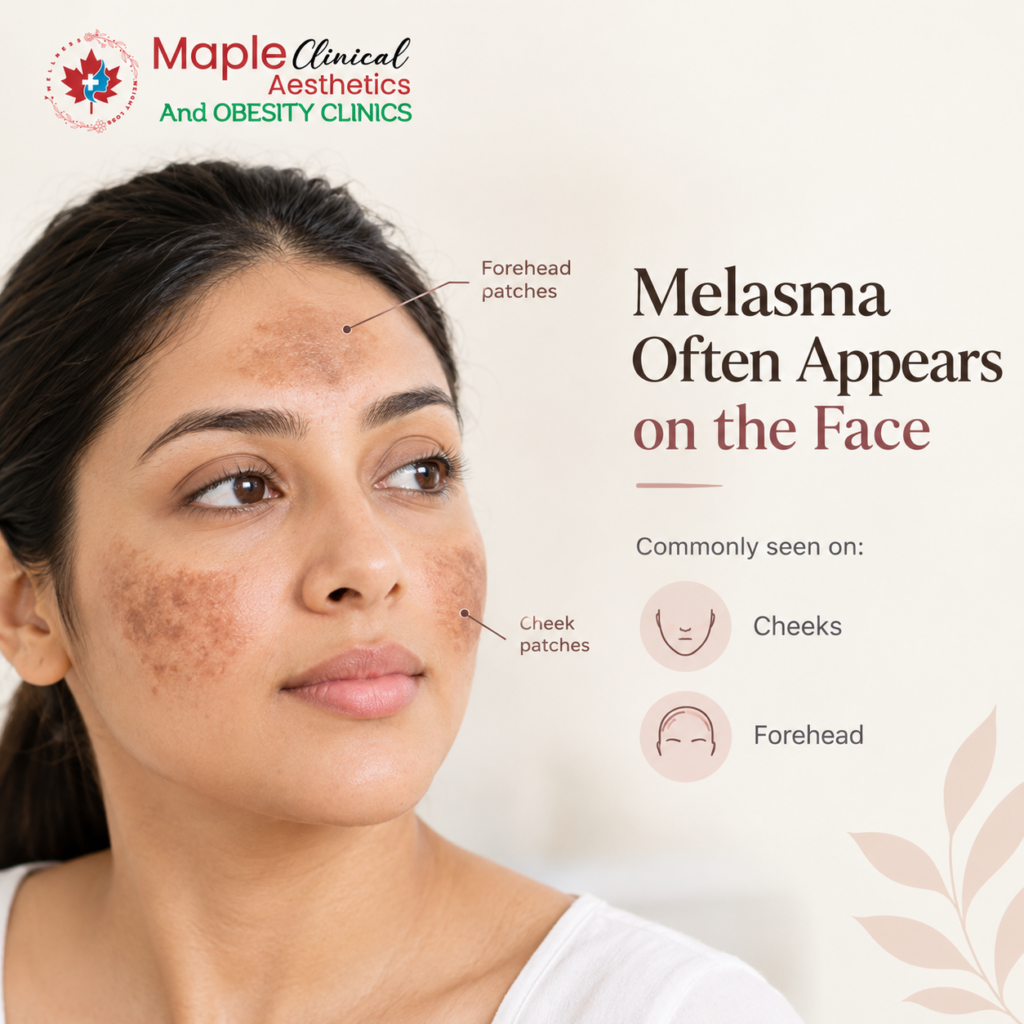
Melasma appears as symmetrical brown or grey-brown patches on the cheeks, forehead, nose bridge and upper lip. It is strongly linked to hormones, which is why it often appears during pregnancy or with hormonal contraceptives. Sun and heat can make it darker. You can read more on the American Academy of Dermatology website or in this DermNet guide to melasma.
Melasma is one of the trickiest types of facial pigmentation because it tends to return if it is not managed long term.
3. Marks left behind after acne
After acne, a rash, a burn or an insect bite, the skin can leave behind a dark mark as it heals. These marks are common in medium to brown skin tones and can last for months. Picking at pimples makes them worse.
If your breakouts keep returning, it helps to understand why acne keeps coming back, because treating the acne early is the best way to prevent the marks.
4. Hormonal changes
Pregnancy, thyroid problems and conditions such as PCOS can change how your skin produces pigment. If your pigmentation appeared along with irregular periods, weight changes or unusual tiredness, the underlying cause needs to be checked.
5. Medicines and skincare products
Some medicines, including certain antibiotics, anti-seizure drugs and hormonal treatments, can make skin more prone to darkening. Unregulated fairness creams and products containing steroids can also backfire and cause new patches or skin thinning.
6. Genetics and skin type
If your parents or siblings have pigmentation, you are more likely to develop it too. Indian skin is not one single skin type, and how your skin reacts to sun, irritation or inflammation can vary considerably from person to person.
7. Other medical conditions
Less commonly, widespread darkening can be linked to nutritional deficiencies or hormonal disorders. This is one reason a doctor’s assessment works better than guessing at home.
Pigmentation Treatment: What Can Help and What Cannot
In most cases, facial pigmentation can be improved. However, there is no single product that suits everyone. The right plan depends on the type of pigmentation, how deep it sits and your skin type. A good pigmentation treatment plan usually includes a few parts:
- Sun protection. Without daily broad-spectrum sunscreen, no treatment will hold. Reapply every few hours when outdoors.
- Medical-grade creams. Azelaic acid, vitamin C, retinoids, niacinamide, kojic acid, tranexamic acid and, under supervision, hydroquinone are commonly used. These should not be mixed at random.
- Chemical peels. Controlled peels renew the top layers of skin and fade superficial pigment.
- Laser-based treatments. Laser may be suggested for selected cases. Settings must be chosen carefully, as the wrong ones can worsen pigmentation in darker skin.
- Oral medication or lifestyle changes. For stubborn cases such as melasma, a doctor may also address hormonal and lifestyle triggers.
Patience matters. Results are measured in weeks and months, not days. Maintenance afterwards is just as important as the first round of treatment.
What a facial can and cannot do
Many people ask whether a facial will clear their dark patches. A treatment like HydraFacial may improve dullness, dehydration and mild congestion, and leave skin looking fresher. But it is not a primary treatment for melasma or significant pigmentation, which need a proper diagnosis and treatment plan.
Can You Treat Facial Pigmentation at Home?
Mild cases may improve with daily sunscreen and gentle, dermatologist-approved skincare. But home remedies, lemon juice, strong scrubs and over-the-counter bleaching creams can irritate the skin and make pigmentation worse.
If a patch has not improved after a few weeks of sun protection, or it keeps coming back, it is time to get it assessed instead of trying another product.
When Should You See a Pigmentation Dermatologist?
Dermatology Care for Skin, Hair & Nail Concerns in Hyderabad
Mild tanning after a holiday can be managed with sun protection and time. However, you should consult a pigmentation dermatologist if you notice any of the following:
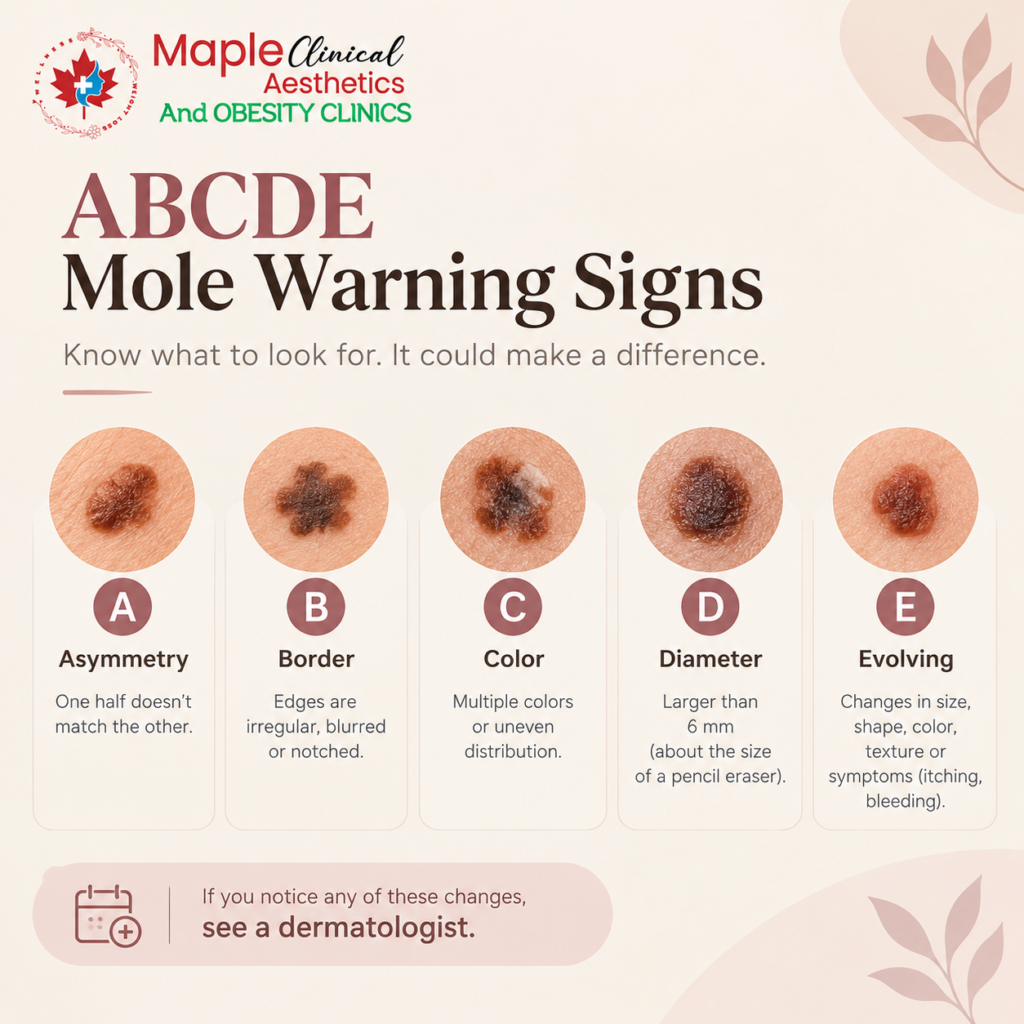
- A mole or spot that is changing. Watch for asymmetry, irregular borders, more than one colour, a diameter larger than a pencil eraser, or any change over time. These can be signs of skin cancer. The Skin Cancer Foundation explains these warning signs well.
- A patch that bleeds, itches, crusts or does not heal.
- Pigmentation that spreads quickly or appears suddenly without an obvious cause.
- Dark patches that keep coming back despite home care.
- Pigmentation that worsens after a cream, especially a fairness product or one containing steroids.
- Patches along with other symptoms such as fatigue, weight changes or irregular periods.
- Pigmentation that affects your confidence. Wanting even-toned skin is reason enough to seek help.
A dermatologist can tell different types apart, sometimes using a close-up examination called dermoscopy, and can rule out anything that needs further testing. If you are unsure whom to approach, this guide on how to choose a dermatologist in Attapur may help.
What Happens During a Pigmentation Consultation?
Your first consultation is mainly a conversation. The doctor will ask when the pigmentation started, what may have triggered it, your medical history and the products you use. They will then examine your skin closely and may suggest a few tests if an underlying cause is suspected.
You should leave with a plan specific to your skin, along with realistic expectations about timelines and results. The treatment details and cost should be explained before any session begins.
Simple Habits to Prevent Facial Pigmentation •
- Use sunscreen every day, rain or shine, indoors or outdoors.
- Wear a hat or carry an umbrella during peak sun hours.
- Do not pick, scrub or squeeze pimples.
- Avoid trying several new products at once.
- Skip unsupervised bleaching or “quick-fix” treatments.
- Treat acne early so it does not leave marks behind.
Frequently Asked Questions
1. Is facial pigmentation permanent?
Not always. Superficial pigmentation often fades well with the right treatment and sun protection. Deeper or hormonal types, such as melasma, can be controlled but may return, so ongoing care is important.
2. How long does pigmentation treatment take to show results?
Most people notice changes within a few weeks. More visible improvement usually takes two to three months or longer, depending on the type and depth of pigment.
3. Can facial pigmentation go away on its own?
Marks left after acne may fade slowly over several months. Sun-related pigmentation and melasma rarely clear on their own, especially without sunscreen.
4. Does pigmentation mean something is wrong with my health?
Usually not, but sometimes it is linked to hormones, nutrition or medicines. A doctor can help you tell the difference.
5. Will pigmentation come back after treatment?
It can, particularly if you are exposed to sun without protection or if hormonal triggers continue. A maintenance routine lowers the chances.
Skin Doctor in Hyderabad: Facial Pigmentation Care in Attapur and Tolichowki
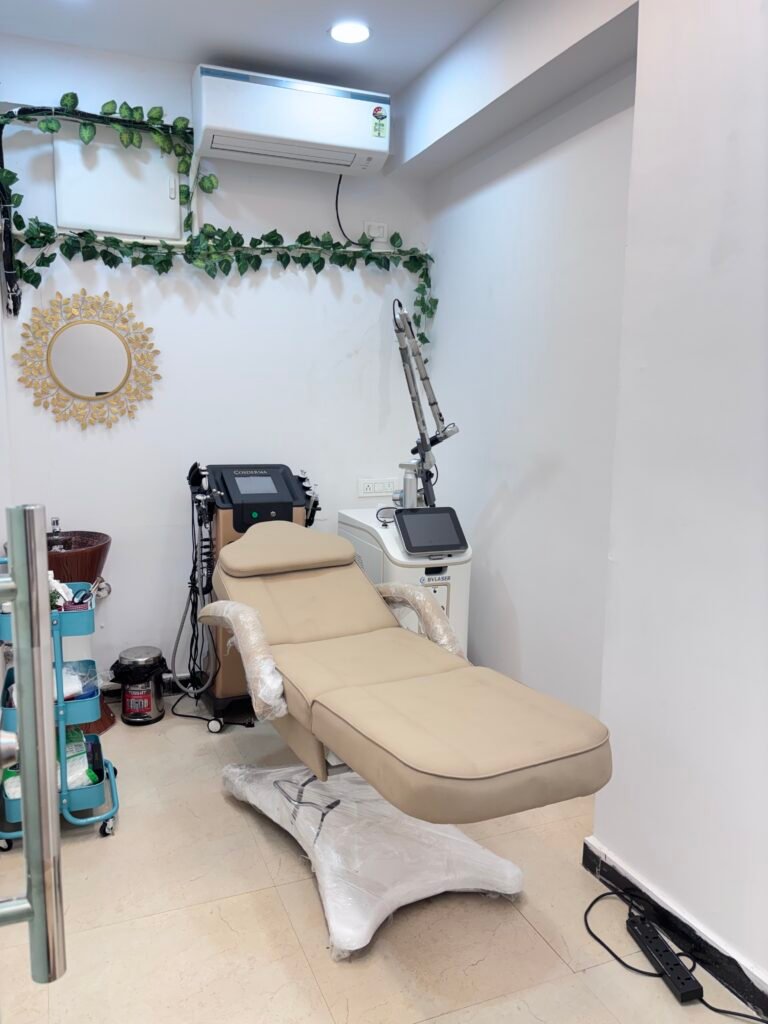
At Maple Clinical Aesthetics & Obesity Clinic, pigmentation care is offered as part of our dermatology and skin-care services in Attapur and Tolichowki, Hyderabad.
If you are looking for a skin doctor in Hyderabad, a consultation can help find the cause of your pigmentation and decide on a treatment that suits your skin, rather than choosing a product because it is popular. You can also explore our Skin Solution services or contact us for details.
